


Okay, so check this out—I’ve been fiddling with a bunch of crypto wallets lately, trying to find one that doesn’t make me want to throw my laptop out the window. Seriously, managing digital assets across multiple chains is like juggling flaming swords. And NFTs? Don’t even get me started. Something felt off about the usual suspects—they promised security but often left me scratching my head about real usability.
My instinct said there had to be a better way. Initially, I thought, “Maybe it’s just me overcomplicating things.” But then I stumbled upon solutions that seem to understand the real pain points of Web3 users, especially those who want seamless dApp connections without compromising their security. It’s not just about storing tokens anymore; it’s about interacting with entire ecosystems safely and efficiently.
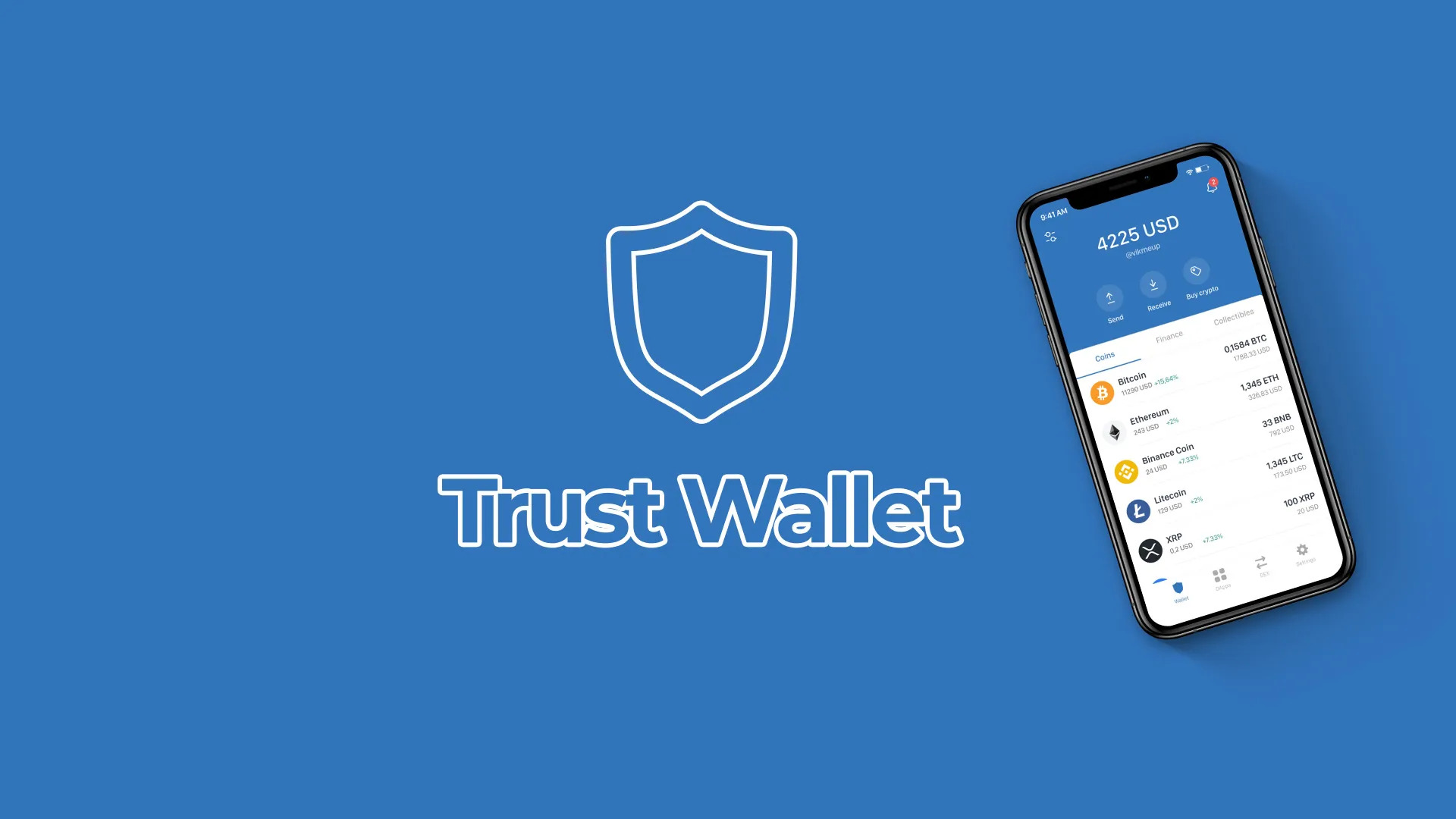
Here’s the thing. The average user doesn’t want to dive deep into blockchain tech or memorize 24-word seed phrases (ugh, that part bugs me). They just want a wallet that works across chains, supports NFTs, and connects smoothly to decentralized apps. This is where wallets like the truts wallet come into play.
Whoa! Did you know that many wallets out there still don’t fully support multichain NFTs? Yeah, it’s a mess. You might have your prized Ethereum NFTs but then struggle to manage assets on Polygon or Binance Smart Chain without juggling multiple apps. That’s not user-friendly at all.
And security? Oh boy… On one hand, hardware wallets offer top-notch protection but are clunky and expensive. On the other, software wallets can be vulnerable, especially when interacting with shady dApps. Though actually, some recent wallet designs are bridging this gap by incorporating secure multi-chain support with smooth dApp connectors that don’t expose you to unnecessary risks.
Let me walk you through what I found interesting about the latest wave of wallets focusing on Web3 security and dApp integration. First, they use advanced encryption methods to safeguard private keys locally—meaning your keys never leave your device. That’s very very important because centralized servers are often targets for hacks.
Then there’s the dApp connector itself. The way it handles permissions is crucial. Instead of blanket approvals, it prompts you for very specific access requests. This granular control reduces chances of malicious contracts draining your assets. Trust me, I’ve seen too many people unknowingly approve dangerous transactions. It’s like handing over your wallet and saying “go nuts.”
Check this out—some wallets now support NFT management natively, allowing you to view, send, and even directly interact with NFT marketplaces from the same interface. That’s a huge step up from having to hop between apps to check your digital art or collectibles. It’s all about reducing friction.
But wait, there’s more. Supporting multiple chains seamlessly is not trivial. Under the hood, wallets must handle different transaction types, gas fee models, and token standards. The fact that some wallets manage all this while keeping the UX simple is pretty impressive. It’s like having a Swiss Army knife that’s also idiot-proof.
Here’s what bugs me about older wallets—they often treat NFTs as afterthoughts, lumping them with tokens, which leads to poor display and interaction options. NFTs deserve better. With growing NFT adoption, having wallets that truly embrace their uniqueness is a must.
So yeah, I’m biased, but I think wallets like truts wallet get this right. They’re built from the ground up with Web3’s complexities in mind. It’s not just a storage solution; it’s a gateway to the decentralized internet, designed to keep users in control without drowning them in technical jargon.
Hmm… one thing that still puzzles me is how these wallets will handle future blockchain upgrades or new chains popping up. Compatibility might become a headache down the road. But for now, the integration level is promising.
Also, some wallets include built-in support for Layer 2 solutions, which drastically reduce transaction costs and speed up confirmations. If you’re an NFT trader or creator, this can save you a ton of headache and fees. The trade-off? Sometimes these Layer 2s are newer and less battle-tested, so there’s a bit of risk involved.
Honestly, I’m excited about the potential here but cautious too. Web3 is still wild west territory in many ways. The right wallet can make or break your experience. That’s why I always recommend testing with small amounts first and getting familiar with the security features before going all in.
Oh, and by the way, if you’re serious about managing NFTs and tokens across chains while staying safe, take a look at the truts wallet. It balances user-friendly design with robust security, which isn’t easy to find.
To wrap this wandering thought up—well, not really wrap but you get me—Web3 wallets are evolving from mere safes into interactive platforms that empower users. The marriage of security, multichain support, and seamless dApp connectivity is the future. And NFTs? They’re finally getting the dedicated attention they deserve in this ecosystem.
So yeah, it’s a journey. Some bumps ahead, no doubt, but wallets that tackle these challenges head-on are worth keeping on your radar. I’m curious to see how this space matures and what new innovations come next.