

Not doing so could lead to costly non-payment consequences, potentially resulting in a legal seizure of property to satisfy a tax debt (also known as a levy). Manual job costing can be very time-intensive, especially when it comes to complex projects. Even when they are not collectible within the “current” timeframe of https://azbigmedia.com/real-estate/commercial-real-estate/construction/how-to-leverage-construction-bookkeeping-to-streamline-financial-control/ 12 months, retainage accounts are typically shown as current accounts and current liabilities, respectively. As a result, the financial statements of construction companies often include a paragraph describing the special treatment of retention. When choosing a construction accounting software platform, there are three areas of consideration that you should consider.
Choosing the Right Software for Bookkeeping Franchise: A Guide
One of the key advantages of expert bookkeeping services is the ability to streamline your financial processes. As your business expands, managing multiple projects, invoices, payroll, and tax filings can become overwhelming. Professional bookkeepers implement systems that automate routine tasks such as expense tracking, invoicing, and report generation. This automation reduces manual errors, improves efficiency, and ensures consistency across your financial records. By freeing up time spent on administrative work, you can focus on more critical aspects of growing your construction bookkeeping business. A key aspect of construction bookkeeping is ensuring timely billing for completed work through progress invoicing.
Essential Construction Bookkeeping Tips for General Contractors
- Its purpose is to enable construction companies to have a better understanding of their financial situation through tracking and recording both expenses and incoming payments.
- Apart from these, the accounts payable aging report should consist of the vendor’s name and payment terms.
- Construction companies can use cash flow statements to track their cash inflows and outflows and identify any cash shortfalls.
- Use accounting software to track payment due dates and follow up on overdue payments to avoid cash flow issues.
- Construction Bookkeeping Services are essential for streamlining financial management in the construction industry.
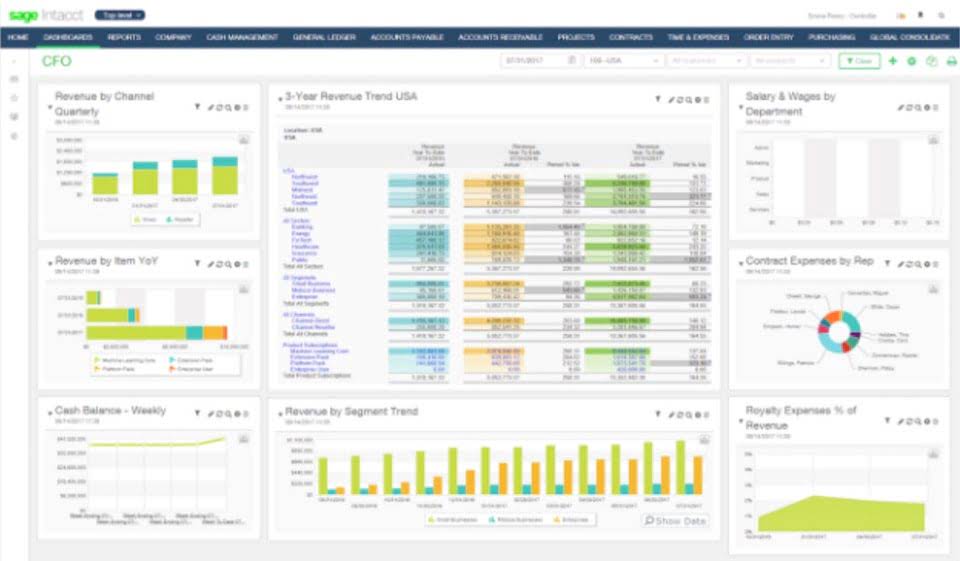
- The best way to stay organized is tracking your day-to-day transactions, reconcile your accounts on a regular basis, and use construction accounting software.
To stay on top of cash flow and keep your books in check, you will need a flexible yet organized construction accounting system. However, managing your business finances correctly doesn’t always come naturally—especially if you’re not much of a numbers person. What’s more, accounting for construction company finances has some unique challenges compared to other types of businesses. Construction bookkeeping is important since projects in this industry tend to be complex. Calculating revenue can be difficult without the right information, especially when your firm works on multiple projects. All costs must be tied together in bookkeeping, including expenses from labor, equipment, materials, transportation, and insurance.

Tip 8: Hire an accountant
Internal controls are procedures and policies that construction companies put in place to ensure the accuracy and integrity of their financial records. Construction companies should have a system of internal controls in place that includes segregation of duties, regular audits, and oversight by management. With the completed contract method, you recognize revenue only after completing a project. Construction companies often use this method for short-term contracts, especially those where contract costs can be hard to estimate. In the construction industry, understanding the financial position of each job can be key to a company’s success. Job profitability reports provide a clear view of a project’s financial performance,…

Under this method, clients are billed for actual labor hours worked and materials used, plus a markup for overhead and profit. For instance, all of the income of the partnership needs to be reported as it was distributed to the partners. As a result, each partner shares in the losses and profits of the joint partnership.